
The Role of Community Health Workers in Strengthening Rural Healthcare
Healthcare services in rural India start way before hospitals and clinics come into play, they actually begin at the very grassroot level. In many cases, the first step towards availing healthcare services does not necessarily involve a visit to the nearest hospital or a doctor; rather, it involves approaching a CHW residing in the vicinity. Here, Accredited Social Health Activist (ASHA) workers hold special importance because, through their efforts, many people receive healthcare despite not being able to visit the nearest clinic or hospital. Thus, CHW's services mark the shift from a passive system to anactive outreach model.
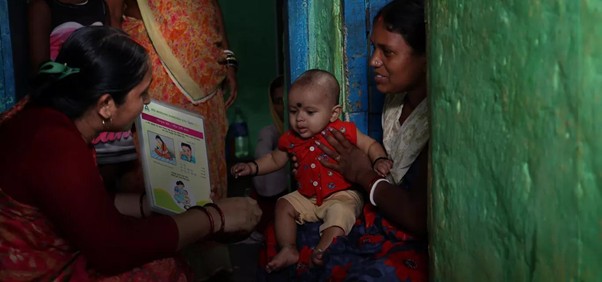
The reason behind the success of the CHW role in the healthcare of India is mainly related to the accessibility of the healthcare services rendered. CHWs perform various duties related to healthcare, including tracking pregnancy, monitoring the growth of children, encouraging immunizations, providing basic medications and advice, etc. However, the effectiveness of these efforts lies in the fact that CHWs are known to their patients and can communicate in the local language. Therefore, talking to an ASHA worker can be considered as receiving some valuable advice from someone familiar with local issues.
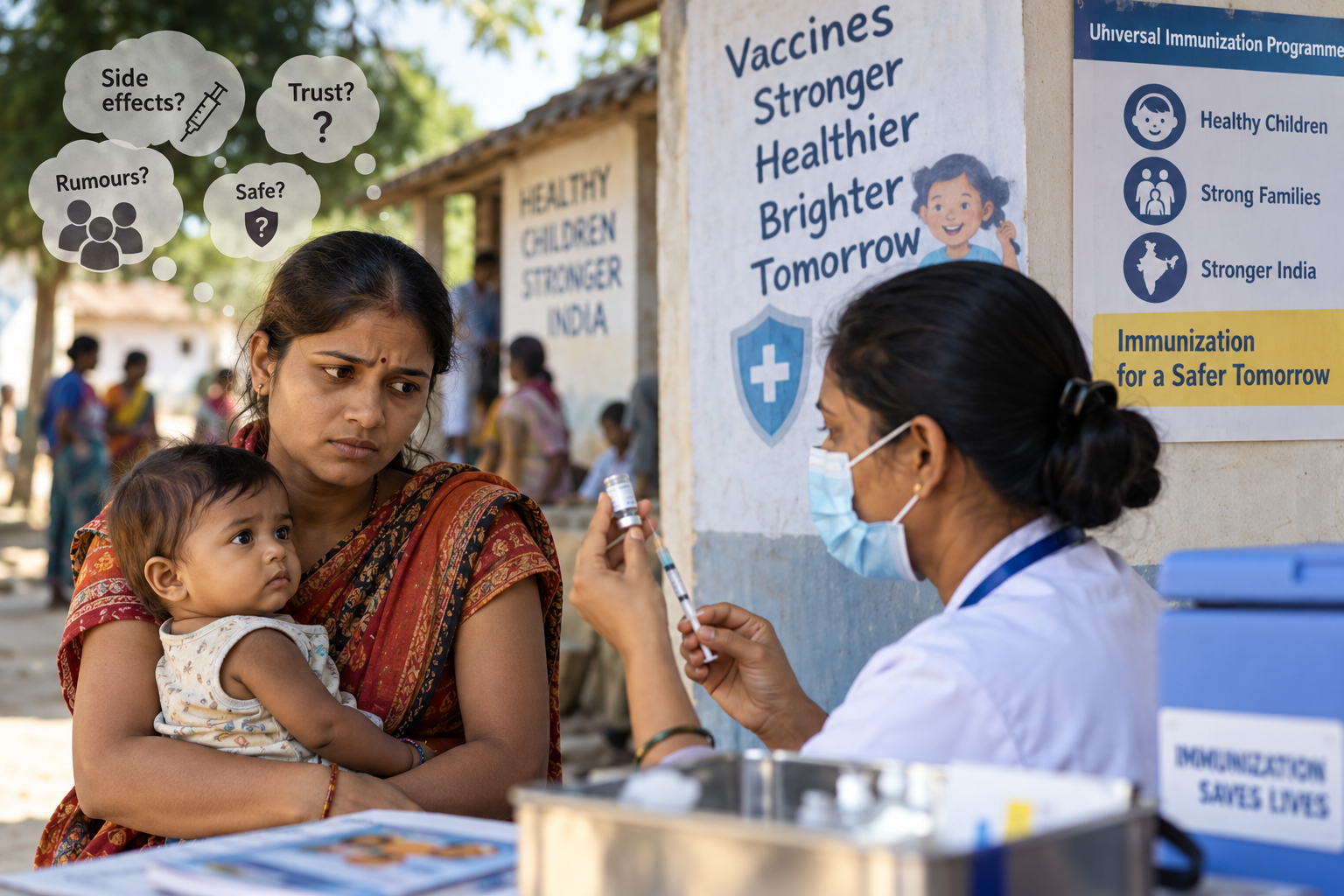
Their contribution becomes even more critical when viewed through the lens of “last-mile delivery.” Policies and programs may be designed at national or state levels, but their success depends on whether they truly reach the most remote households. CHWs act as the final link in this chain. They ensure that a government scheme is not just announced but accessed, that a vaccination driveis not just planned but completed, and that a health message is not just heard but practiced. In this way, they transform intent into impact.
Just as crucial is their involvement in shaping health behaviors, which, at times, remains beyond the scope of even infrastructure alone. Health status has much to do with the behavioral aspect such as personal hygiene, nutrition, and care seeking. The CHWs involve the community members in discussions that slowly leadto change. They make clear why it is essential to wash hands, persuade mothers to institutionalize delivery, and help people get rid of misconceptions about diseases and treatment. Being community-based the mselves, CHWs have authority to deliver information that will produce desired results.
What is more, CHWs perform the function of guides through the complicated health-care system. Often, especially in rural areas, people find navigating their way through health centers quite challenging; they do not know how to seek health care, where to apply for it, and how to do it in a proper way. CHWs simplify all the procedure. For example, they link patients to Primary Health Centers, help them with documentation and schemes registration, and conduct follow-up visits.
Nevertheless, there are several limitations in terms of the activities performed by Community Health Workers. The scope of their responsibilities is vast and diverse, while they themselves might lack certain incentives and face numerous challenges related to travel, coordination of various health priorities, and expectations from the community. It is crucial to recognize and empower the role of CHWs, providing them with proper funding as well as continuous training and supervision.
The innovation brought by CHWs is primarily defined not by any technological or infrastructural innovations, but the approach itself. Community Health Workers embody the concept of preventive medicine, which aims at preventing illness instead of treating the symptoms. Moreover, they demonstrate the idea of proactive healthcare which seeks to solve emerging problems ahead of time, thus minimizing potential risks.
To sum up, the role of Community Health Workers cannot be underestimated for the development of rural healthcare in the region. Thanks to the provision of healthcare services, CHWs help bridge the gap between rural regions and healthcare and build trust. Thus, the empowerment of the mentioned community members is crucial.
References:
· Ministry of Health and Family Welfare (MoHFW) ASHA Programme Guidelines and Updates
· National Health Mission (NHM): ASHA: Which Way Forward? Evaluation Reports
· WorldHealth Organization
WHO Guideline on Health Policy and System Support to Optimize Community Health Worker Programmes (2018)
· World Bank
Strengthening Primary Health Care through Community Health Workers