
Indoor Air Pollution and Women’s Health in Rural Households
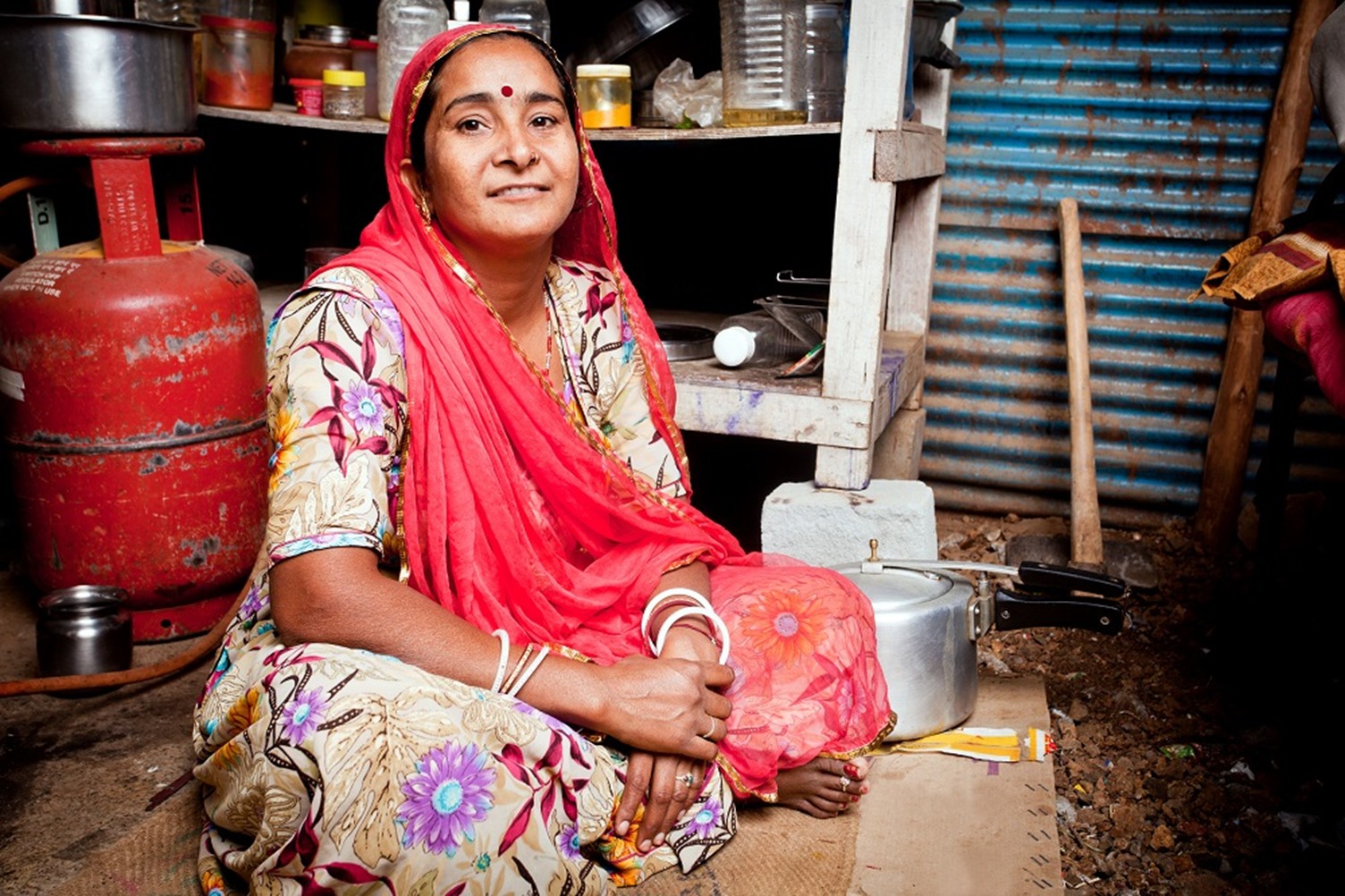
For millions of women in rural India, the kitchen is not only where food is prepared but also where silent threats to health. For millions of women in India, their routine work in the kitchen using traditional fuel sources such as firewood, dung cakes, or crop residue exposes them to high levels of indoor air pollution. Such routine exposure to indoor air pollution, which is often accepted as part of life, is having significant long-term impacts on women’s health.
The Invisible Threat Inside Homes
Indoor air pollution is still one of the most ignored threats in rural India. Unlike outdoor pollution, which is visible and discussed by almost everyone, indoor pollution in the form of smoke is not given much importance. Traditional stoves or chulhas used for cooking have low fuel efficiency, which means that not onlyis fuel wasted but also harmful pollution is released in the form of PM 2.5, carbon monoxide, and other toxic gases. Women, who spend considerable time in the kitchen, are more affected by indoor air pollution. Children, especially infants, accompany their mothers in the kitchen.
Health Impacts on Women
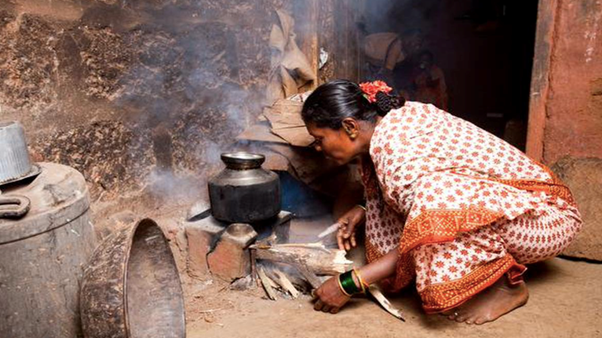
The health effects of prolonged exposure are critical. Women complain of coughing, irritation of the eyes, headaches, and difficulty in breathing. This leads to chronic respiratory problems, bronchitis, and reduced lung capacity.
Indoor air pollution is also related to more serious health conditions, including chronic obstructive pulmonary disease (COPD) and cardiovascular disease. Pregnant women are at risk of low birth weight and pregnancy problems. However, these problems are not properly identified or related to cooking activities.
Why the Problem Persists
Despite being aware of the problem and various initiatives by the government, the dependence on traditional fuels is still an issue. There are several reasons behind this.
• Affordability and accessibility of clean fuels: Clean fuels such as LPG may not be readily affordable.
• Cultural and traditional practices: There are certain cultural and traditional reasonsfor using traditional fuels.
• Social and gender aspects: Women may not have adequate say in such matters.
• Lack of awareness: The health hazards of using traditional fuels may not be clearly understood.
Beyond Technology: The Need for Behavioural Change
Although significant progress has been made in initiatives such as the distribution of cooking fuel, it is not just technology that is required to bring about change.
Itis essential to:
• Raise awareness of the risks
• Promote the consistent use of clean fuels
• Enhance ventilation in the kitchen
• Involve men and community leaders in decision-making
A Gendered Public Health Issue
Indoor air pollution is not simply an environmental and technological issue; it is also intricately connected to social and gender issues in rural areas. The impact of air pollution is borne mainly by women, not by chance, but by choice, as defined by existing gender issues that make them primarily responsible for cooking and running households.
Women often make choices within given limitations. For instance, though choices for clean fuels and efficient stoves may be available, their adoption is influenced by cost, ability to manage household resources, and cultural and social issues. This means that women bear the health implications of choices that are not entirely in their hands. This gives air pollution an additional dimension beyond its health implications – it is also about the lack of agency.
Addressing this problem, therefore, entails going beyond the purely technological perspective. It entails the adoption of a gender perspective that puts women at the centre. This entails improving awareness of health risks and increasing the involvement of women in decision-making in the household. Once the woman is recognized as an agent rather than just a recipient of services, the route to positive change is made significantly more viable.
Conclusion
The plume of smoke rising from rural kitchens carries a tale that, all too often, goes untold. It is a tale of triumph, but also of suffering that need not be. The fight against indoor air pollution is not only a matter of life and death, but also of gender equity and dignity in daily life.
A brighter future for rural families starts with a healthier indoor environment, where the task of improvement, though difficult, is not only feasible but imperative.