
Menstrual Health: Breaking the Silence Around a Persistent Taboo
Introduction
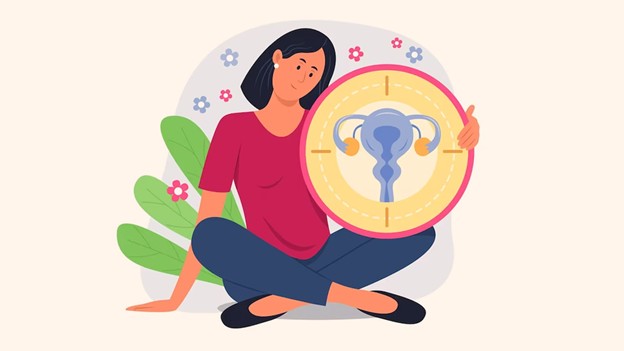
Menstruation is a natural and recurring biological process in which the lining of the uterus is shed and discharged through the vagina, resulting in monthly bleeding. It is a key part of the female reproductive cycle and typically occurs when pregnancy does not take place. This process is regulated by hormonal changes in the body and usually follows a cycle of about 21 to 35 days, lasting for approximately 3 to 7 days each month.
As such Menstrual health is an integral component of general well-being. However, it has remained a topic that is heavily stigmatized. Menstruation is a normal biological process that affects millions of people across the globe. However, it is considered a shameful act rather than a normal one. This stigma has created a barrier in discussing the issue openly. This stigma has also led to the spread of misinformation, which makes it difficult to understand one’s own body.
Menstruation as a Social Taboo
Menstruation is a taboo in many parts of the world, even though people are becoming aware of the importance of this biological process. In some societies, people are not allowed to openly talk about their periods, and they may even be restricted from entering kitchens, temples, during this time. All this is because, in some cultures, this biological process has been termed ‘unclean’ since time immemorial, making people feel ashamed to talk about it.
Lack of Awareness and Education
The impact of this silence starts at an early age. In fact, according to WHO (2024), only 39% of schools across the world offer menstrual health education. The lack of knowledge means that most young people are not adequately prepared to face their first menstruation, which often causes fear and confusion. Lack of open communication about menstruation at home and in school means that false information is spread, and the stigma is perpetuated.
A report published by UNICEF (2023) indicates that there are a number of adolescent girls who lack proper information and facilities, especially in rural areas. The stigma surrounding the issue does not allow people to talk about it, which makes it hard for them to seek information when they need it. In some cases, the information they get is not accurate, which might create more confusion and fear among women.
Access to Menstrual Products
The availability of sanitary items is another major concern. In most cases, people are forced to use alternative items that are not safe for health. In addition, due to the stigma attached to menstruation, people are not encouraged to buy sanitary items openly.
Sanitation and Infrastructure Challenges
Sanitation facilities also have a major part to play. This has been recognized by WHO (2024), which indicates that only 31% of schools worldwide have proper facilities for the disposal of menstrual waste.This makes it hard for girls, especially school-going ones, to manage their menstruation since there are no proper facilities. This has caused many girls to miss school during their periods.
Impact on Mental and Emotional Well-being
Other than physical challenges, menstrual stigma has a negative impact on mental and emotional health. The negative emotions, secrecy, and confinement may affect self-esteem and perpetuate gender inequality. The notion that menstruation is something to be hidden or confined may imply to the individual with a menstrual condition that it is a negative thing to have, rather than a normal biological occurrence. This may have negative long-term psychological effects on the individual.
Most Importantly, WHO (2022) asserts that while menstrual health is not only about hygiene but also involves health, dignity, and human rights. Inaccessibility to resources and stigma can prevent individuals from fully participating in education, work, and social life.
Solutions and the Way Forward
Improvement in menstrual health also requires education, infrastructural development, and creating awareness. Educational institutions should ensure that all students receive information about menstrual health. This would help in creating a sense of normalcy about menstruation at an early age. Communities should also strive to break stereotypes and promote discussion about the same. Governments and organizations can also help in ensuring that women have access to affordable sanitary products and in developing infrastructural facilities.
In addition, the inclusion of men and boys in the conversation about menstruation has been considered a key factor in the elimination of stigma. This is because, if the issue of menstruation is considered a public issue, it will not be a private one, thus eliminating the stigma and promoting equality.
Conclusion
In conclusion, menstruation remains a taboo that has been deeply rooted in society. This taboo affects awareness, access,and dignity. Breaking the silence surrounding menstruation is important for amore inclusive society. By educating people, improving facilities, and speaking about menstruation, society will become more accustomed to the idea of menstruation. Making menstruation an acceptable concept will result in a more inclusive, equitable, and dignified society.
References
- World Health Organization (WHO) & UNICEF. (2024).
Global report on menstrual health and hygiene in schools.
Available at: https://www.who.int/news/item/28-05-2024-global-report-reveals-major-gaps-in-menstrual-health-and-hygiene-in-schools - World Health Organization (WHO). (2022).
Statement on menstrual health and rights.
Available at: https://www.who.int/news/item/22-06-2022-who-statement-on-menstrual-health-and-rights - UNICEF India. (2023).
Menstrual Hygiene Management.
Available at: https://www.unicef.org/india/what-we-do/menstrual-hygiene-management