
.png)
World Cancer Day 2026: Shining a Light on India’s Quiet Battle, and How We Can Win It Together
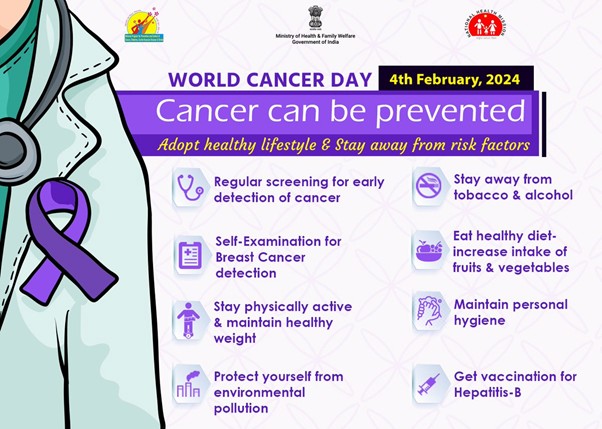
Just a few days ago, on 4 February, the world observed World Cancer Day. Ribbons were pinned, stories shared, and the message rang out loud and clear: cancer is not inevitable. In India, however, that message feels both urgent and deeply personal. Every year, lakhs of families hear the words “you have cancer”, and their world turns upside down. Yet many of these cancers are preventable, detectable early, and treatable if only we act in time.
Let’s talk straight, without jargon, about where India stands today, why cervical cancer deserves special attention, the road blocks we face, what the government is already doing, and how corporate social responsibility (CSR) can become a gamechanger.
The Indian Cancer Landscape Today
According to the latest datafrom the Indian Council of Medical Research’s National Cancer Registry Programme (ICMR-NCRP):
- In 2022, India recorded 14.61 lakh new cancer cases.
- By 2024, this number had climbed to an estimated 15.62 lakh.
- Projectionsfor 2025 point to roughly 15.7 lakh new cases – a 12.8 % jump in just a fewyears.
- One in every nine Indians is likely to develop cancer in their lifetime.
The most common cancers tell a story of our habits and environment:
- Among men mouth, lung, and prostate are prominent.
- Among women, breast cancer (nearly 2.38 lakh cases in 2024), followed by cervical cancer (about 78,500 cases), is prevalent.
Cancer kills nearly 8.74 lakh Indians every year. That is more than the population of many cities. And behind each number is a mother, a father, a young daughter whose dreams are cutshort.
Why Cervical Cancer Needs Our Urgent Focus
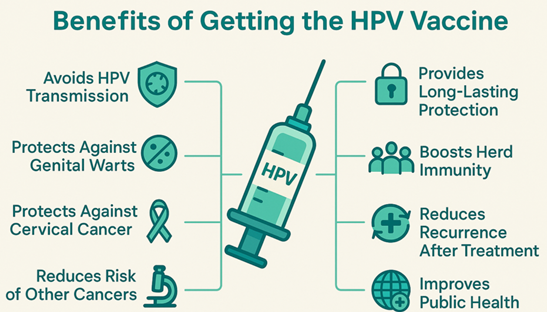
Cervical cancer is almost entirely preventable. It is caused by the human papillomavirus (HPV),which spreads through intimate contact. A safe, effective vaccine exists. Simple screening tests can catch changes before they become cancer. Yet India still bears one of the world’s heaviest burdens.
In 2024, nearly 78,500 Indian women were diagnosed with cervical cancer, second only to breast cancer.The tragedy is that over 60% of cases reach doctors only at an advanced stage, when treatment is expensive, painful, and often unsuccessful.
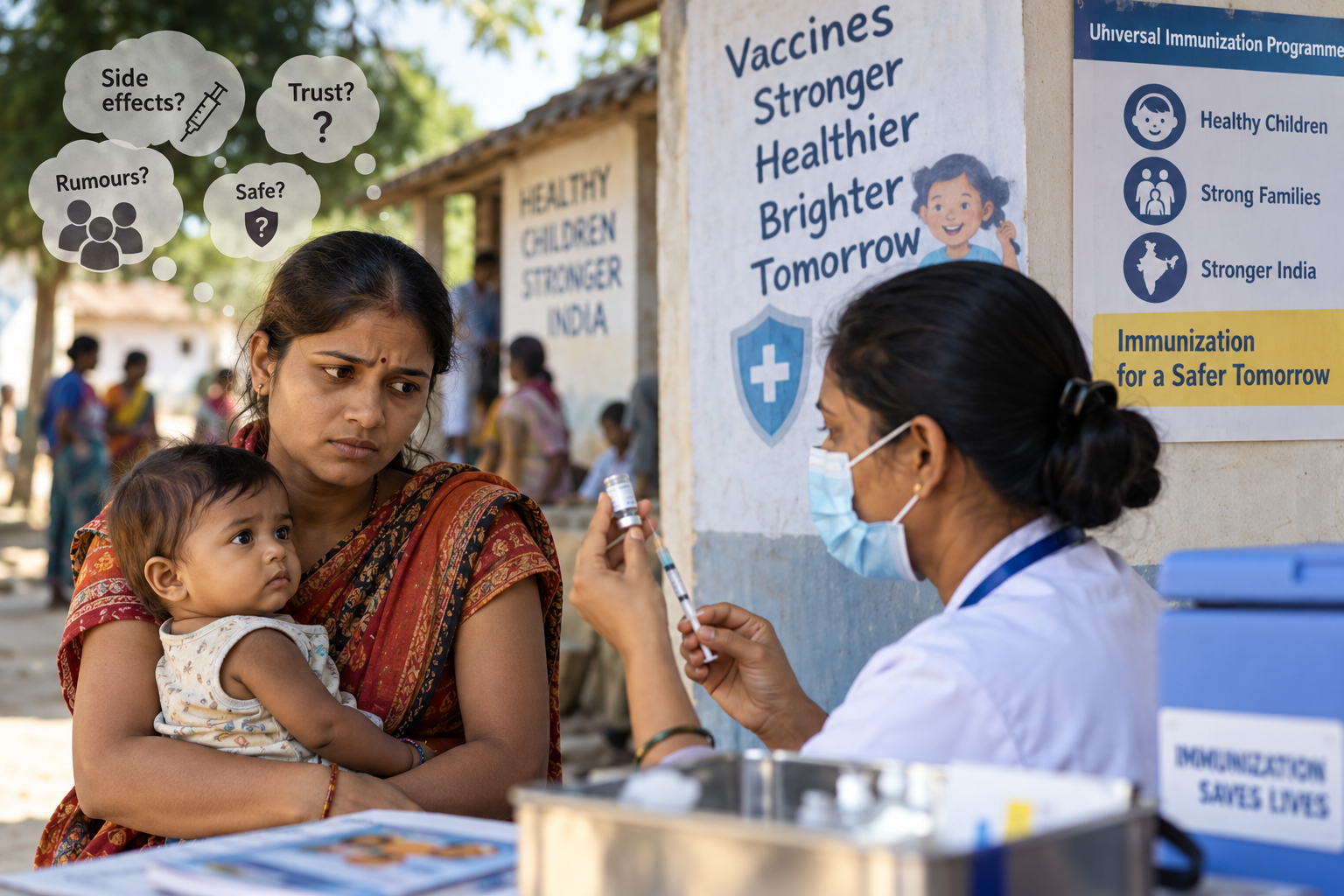
Why? Low awareness, cultural taboos around discussing women’s health, lack of routine screening, and the HPV vaccine not yet being part of the universal immunisation programme. Less than 1 % of eligible girls in India have received the HPV vaccine. Only about 2 % of women have ever been screened. These numbers are heart breaking because cervical cancer is one cancer we can actually dream of eliminating.
The Challenges India Faces
- Late diagnosis: 70%of patients come when the disease has already spread.
- Unequal access: Urban metros have world-class hospitals; rural areas often have none.
- Cost: Even with insurance, out-of-pocket expenses can push families into debt.
- Awareness gap: Many still believe cancer is “God’s will” or a death sentence.
- Shortage of specialists: Wehave far fewer oncologists and radiation machines than needed.
- Tobacco & lifestyle: India is the world’s second-largest consumer of tobacco; chewing gutka and smoking are silently fuelling oral and lung cancers.
These are not abstract problems. They are the reason a 35-year-old mother in a Bihar village dies of adisease that could have been stopped with a simple vaccine and a five-minutetest.
Policy and Programmatic Actions by the Government
The good news is that India is not standing still.
- NPCDCS (National Programmefor Prevention and Control of Cancer, Diabetes, Cardiovascular Diseases & Stroke) runs population-based screening for oral, breast and cervical cancer across thousands of districts. Over 6,400 Community Health Centres now have NCD clinics.
- Ayushman Bharat: Pradhan Mantri Jan Arogya Yojana (PM-JAY) covers chemotherapy, radiotherapy and surgery for eligible families. By 2024, more than 90% of registered cancer patients under the scheme had started treatment, a huge step in reducing financial shock.
- Health Minister’s Cancer Patient Fund offers up to ₹15 lakh for poor patients at 27 Regional Cancer Centres.
- Tertiary Care Cancer Centres and State Cancer Institutes are being set up across states.
- In 2024, India launched its own indigenous CAR-T cell therapy (NexCAR19) for blood cancers, a proud “Made in India” moment.
- The Quad Cancer Moonshot initiative with the US, Australia and Japan is specifically targeting the eliminationof cervical cancer in the Indo- Pacific.
These programmes are saving livesevery single day. But they need more hands-on deck.
The Powerful Role of CSR inthe Fight
In FY 2023-24, Indian companies spent a record ₹34,909 crore on CSR. Education took 35%, health about20% – that’s roughly ₹7,000 crore flowing into healthcare.
A growing number ofcompanies are now directing part of this money specifically towards cancer:
- Building day-care chemotherapy units in district hospitals.
- Running free screening camps in rural and tribal areas.
- Funding HPV vaccine awareness drives and subsidised vaccination for girls.
- Supporting NGOs that provide palliative care and financial help to patients.
- Partnering with hospitals to train doctors and nurses in oncology.
Imagine what could happen ifeven 10% of the health CSR budget were focused on cancer prevention and early detection. We could screen millions of women for cervical cancer, vaccinatelakhs of girls, and set up counselling centres in every district. CSR money canreach places where government schemes sometimes struggle to penetrate, such asremote villages, factory workers, and migrant communities.
Companies gain too: healthier communities mean a healthier workforce and stronger brand trust. It is not charity; it is a smart, sustainable investment.
A Message of Hope and a Callto Action
Cancer is not a verdict; itis a challenge. India has the talent, the technology, and now the policy framework to bend the curve. But we need every citizen, every doctor, every company, and every policymaker to play their part.
- Women: Askyour doctor about cervical cancer screening and the HPV vaccine for your daughters.
- Men: Quit tobacco, get screened if you chew paan or smoke.
- Companies: Allocate part of your CSR to cancer prevention; partner with credible NGOs and hospitals.
- Youngpeople: Spread awareness on social media; break the silencecaround women’s health.
On World Cancer Day, we wear orange and purple ribbons. Let us also wear the commitment to act. Because when we close the care gap between knowledge and action, between city and village, between rich and poor, we don’t just fight cancer. We give millions of Indian families the chance to dream again.
Together, we can make cervical cancer a disease of the past. Together, we can make “cancer-free India” more than a slogan; we can make it our shared future.