
From Charity to Change: How CSR Can Strengthen Primary Healthcare for NCDs,Maternal, and Rural Health in India
In India, corporate social responsibility (CSR) has long improved healththrough emergency care, hospital support, and medical camps. While theseinitiatives are important, a more comprehensive and long-term strategy isneeded to address India's most urgent health issues, which includenon-communicable diseases (NCDs), maternal health risks, and rural healthdisparities. Strengthening primary healthcare, where prevention, earlydetection, and continuity of care can change lives at scale, is the trueopportunity for corporate social responsibility.
For millions of Indians,particularly in rural areas, primary healthcare is frequently their first andonly point of contact. It is where families go for regular health advice, wherea pregnant woman seeks prenatal care, and where diabetes or hypertension shouldideally be identified early. When this level of care is effective,hospitalization, complications, and financial hardship are decreased. Failurehas expensive repercussions for both families and the healthcare system.
India’s evolving health challenge
A significant epidemiological shift is occurring in India. NCDs likediabetes and hypertension are on the rise, especially among low-income andrural populations. According to data from the National Family Health Survey(NFHS-5), approximately 15% of adults have high blood sugar and nearlyone-third have elevated blood pressure; many of these individuals goundiagnosed or receive inadequate treatment.
Although maternal health metrics have improved over time, disparities stillexist, especially in rural and tribal areas. There are still disparities inaccess to high-quality prenatal care, prompt detection of high-riskpregnancies, nutrition counselling, and postnatal follow-up. Poor newbornoutcomes and avoidable maternal complications are caused by these gaps.
Additional challenges for rural health systems include a lack of qualifiedpersonnel, inadequate diagnostics, erratic medication supplies, and inadequatereferral systems. Although primary care infrastructure has been greatlyincreased by government programs like Ayushman Arogya Mandirs (Health &Wellness Centres), infrastructure cannot produce results on its own withoutsufficient human resources, systems, and community trust.
Why charity is not enough
Short-term visibility is thefocus of many CSR health initiatives, such as screening camps, one-timedonations, or independent awareness campaigns. Despite their good intentions,these strategies frequently function outside of the public health system andhave difficulty bringing about long-lasting change.
For example:
- NCD screening camps identify patients, but without follow-up, counselling, and medicines, diagnosis does not lead to control.
- Maternal health camps provide check-ups, but without integration into routine antenatal services, continuity of care is lost.
- Rural outreach programs raise awareness, but behaviour change requires sustained engagement and trusted local providers.
System strengthening shiftsthe focus from isolated activities to long-term capacity building withinexisting primary healthcare structures.
How CSR can strengthen primary healthcare for priority health areas
1. NCD prevention and managementat the primary level: CSR could help with thescreening of hypertension and diabetes in the primary health care centres aswell as the sub-health centres by providing basic equipment and staff training.But what is much more significant is the role of CSR in making possible thepatient follow-up system, whether it is paper-based or computer-based, to makesure of the follow-up treatment.
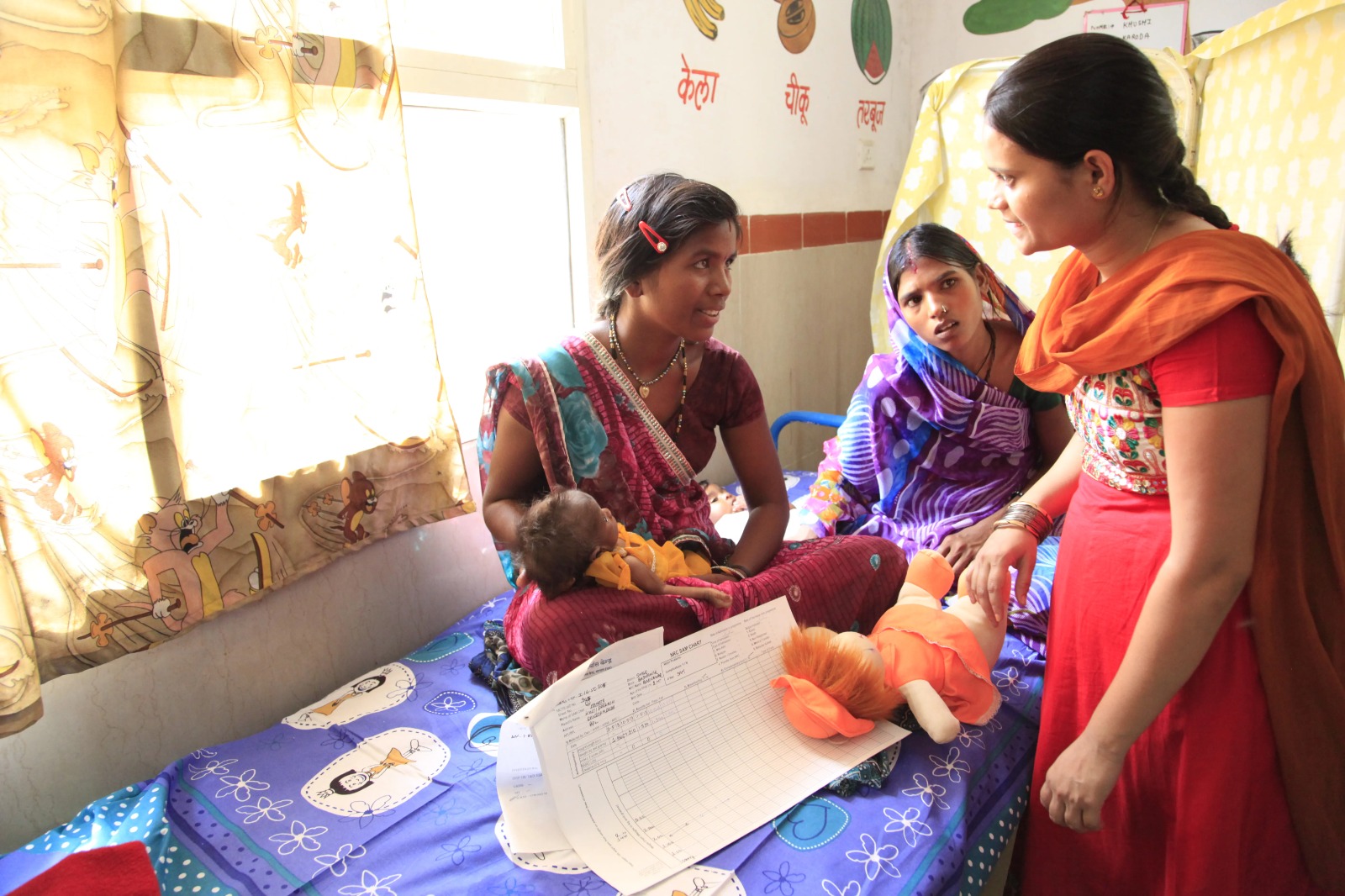
2. Improving maternal healththrough quality primary care: CSR investments maysupport the strengthening of antenatal and post-natal care through training fornurses and midwives, point-of-care diagnostics-to include haemoglobintesting-nutritional counselling tools, referral linkages for high-riskpregnancies, and post-natal follow-up. This can go a long way in reducingmaternal and neonatal complications, especially in rural areas
3. Reaching rural and underservedcommunities: In the rural areas, the primary healthcare needs to remain well-attendedand well trusted. CSR can play an important role in encouraging the concept ofmobile healthcare linked to care at stationary healthcare units, healthcareconsultations with specialists in far-off areas via teleservices, and communityoutreach programs to encourage the timely usage of healthcare. Improving thesupply of important drugs is as important.
4. Investing in the health workforce: Frontlineworkers, including ASHAs, ANMs, nurses, and mid-level providers, constitute themainstay of primary healthcare in rural areas. CSR can play a critical role insupporting training, mentor, and supervision activities, ensuring that workersare confident enough to deal with NCD, maternal, and referral requirements.
5. Embedding monitoring andlearning: Fundingindependent monitoring and evaluation helps CSR programs move beyond outputs tooutcomes—such as improved blood pressure control, increased antenatal visitcompletion, or reduced complications. Transparent learning builds credibilityand allows successful models to be replicated.
The value of a primary healthcare approach for CSR
Investing in primary healthcare offers high social returns:
- Cost-effective impact: Preventing complications costs far less than treating advanced disease.
- Equity: Strong primary care benefits rural and underserved populations the most.
- Alignment: These investments directly support national health priorities and Universal Health Coverage.
- Sustainability: Programs embedded in public systems can continue beyond the CSR funding cycle.
Perhaps most importantly,primary healthcare investments reduce out-of-pocket expenditure, protectingfamilies from falling into poverty due to health shocks
From charity to change: The future of CSR in health isnot in doing more but in doing so differently. By building stronger primaryhealth care systems in areas of NCD care, maternal health care, and ruralhealth care, CSR can shift paradigms in health care from short-term charity tolong-term change. Progress will not be defined by the number of camps organizedbut by whether the women receive adequate antenatal care sessions, whether therural patient adheres to their hypertensive care regimen in the village healthcare centre, and so on. That isthe true power of CSR when it invests in primary healthcare.