
Last Mile Healthcare: How to Reach Communities That Doctors Don't
In the last number of decades there has been substantial improvement in health care provision and services but there has been a vast amount of disparity in accessing health services. Millions of people still live far away from health facilities, have no access to trained health workers and struggle to get services such as maternal health care, immunisation, disease care and nutrition support.
One of the most persistent challenges to realise Universal Health Coverage (UHC) is referred to as the "last mile" challenge. Lack of access to timely and quality health care services remains a major factor in preventable morbidity, preventable mortality and health inequities, both in remote tribal settlements and in mountainous areas, in conflict affected and underserved rural areas. This needs to be improved through more robust health systems, but also through solutions which are at the community level that ensure that people can access health care when they need it most.
Understanding the Last-Mile Challenge
The phrase 'last mile' originated in the logistics sector and refers to the final section of the journey of a good to the end customer. It is thought that in terms of health care it refers to delivering essential health care services to populations who are isolated (geographically), marginalized (socially) or disadvantaged (economically).
Half of the world's population does not yet have access to the essential health care they need (World Health Organization). In most rural areas multiple factors such as; great distances between homes and health care centres, lack of reliable transport, lack of health professionals, lack of referral systems and high out-of-pocket expenses hinder people's ability to reach health services.
This can have detrimental effects as delays in treatment and complications increase both morbidity and mortality in women during pregnancy and birth, newborn and under-five’s and in people with chronic illnesses. Diseases easily treated or prevented in urban environments can be deadly in remote communities simply due to inaccessibility to healthcare services.
Community Health Workers: The Backbone of Last-Mile Healthcare
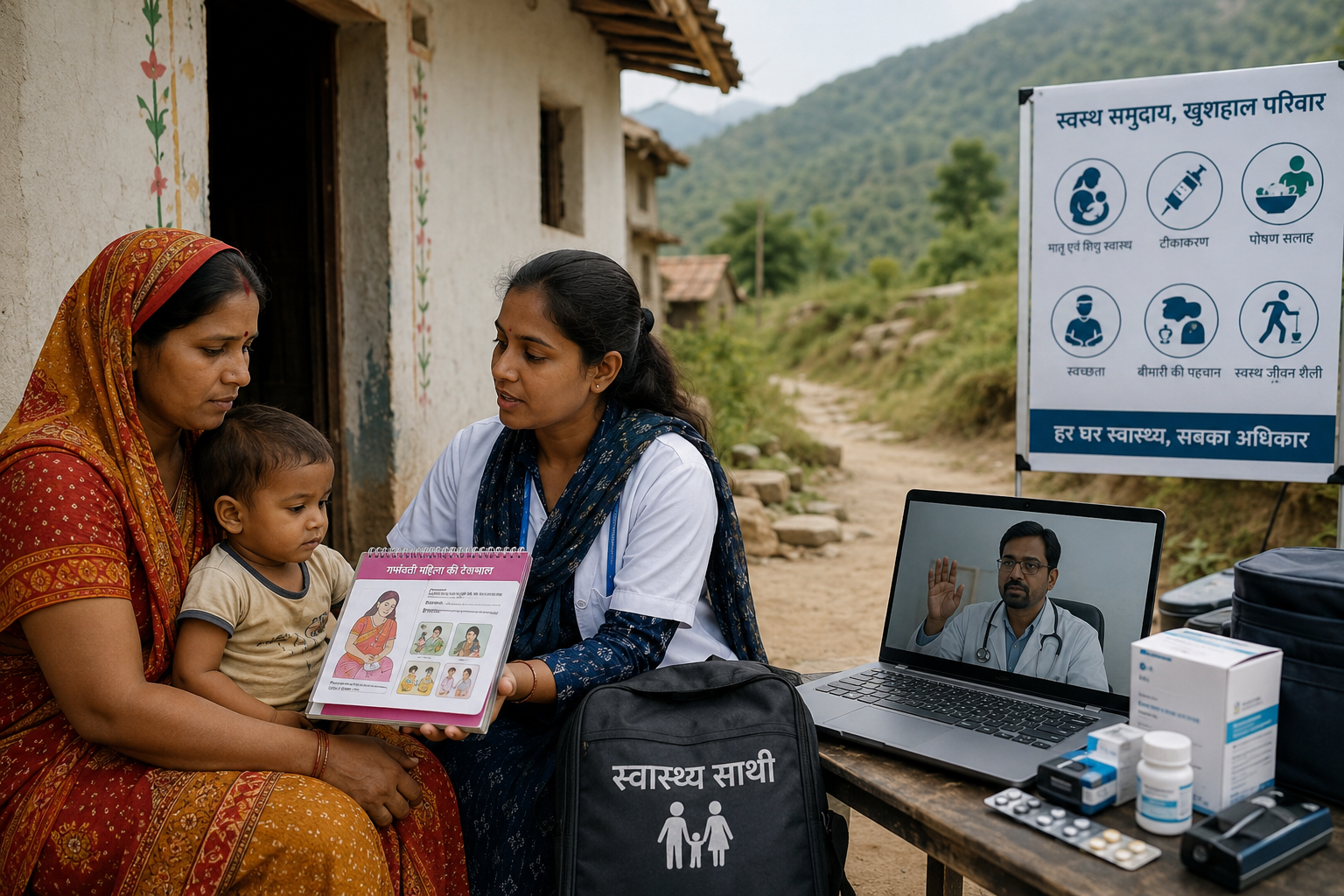
CHWs represent one of the best avenues for reaching isolated and disenfranchised communities. CHWs are community-based, primary healthcare workers who bring primary health services, health promotion and education, and preventive measures, along with referrals to the community.
Functions of community health workers often include:
• Advice and counselling on maternal and newborn care
• Growth monitoring and nutritional counselling
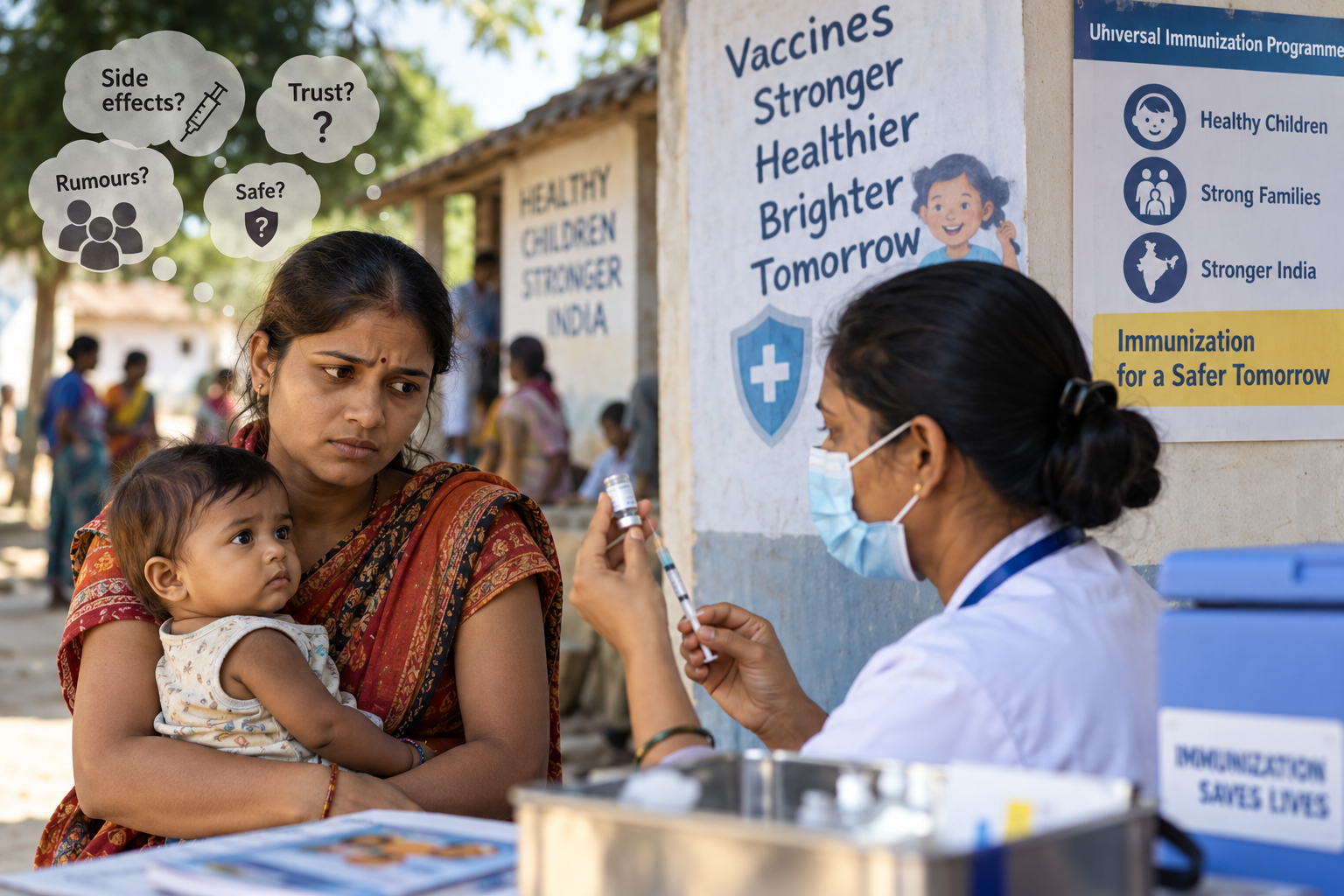
• Mobilisation for immunization
• Management of common child health problems
• Screening for malnutrition
• Health promotion and behavior change communication
• Disease surveillance and outbreak control
CHWs usually benefit from strong trust and cultural acceptability within the communities they serve. This allows them to connect formal health systems with the vulnerable populations.
Many countries have demonstrated how effective supervision and training of community health workers may significantly enhance the status of maternal and child health, service uptake and maternal and child mortality from preventable causes.
In India, the ASHA's (Accredited Social Health Activists), ANM's (Auxiliary Nurse Midwives) and Anganwadi Workers serve as crucial bridges between the communities and the health system. This role was visible even during the COVID-19 pandemic where they were actively involved in a variety of tasks in areas like surveillance, health education, vaccination and delivery of other crucial services.
Why Community Health Systems Matter
An important insight from the success of community health workers is that a health care system can not operate on hospitals and clinics alone. Health services will need to reach households and communities in many rural and distant populations.
Benefits of community based health systems are:
Access to Health Care
Health care is delivered at people's doorsteps, decreasing time and money spent traveling.
Early Detection
With regular visits to homes, illness, malnutrition, high risk pregnancy etc can be detected at the very beginning stages when a serious outbreak may be prevented.
Prevention and Health promotion
Community health services emphasize prevention and in doing so, less burden is placed on the higher level facilities.
Health Equity
Community health systems play a role in closing gaps by serving neglected groups.
The Role of Technology in Reaching the Last Mile
Digital technologies are changing delivery of healthcare services in remote areas of countries. Patients in remote areas access the services of doctors via telemedicine without undertaking the journey.
Frontline health workers can be supported with mobile applications for data collection, monitoring patient conditions and results, tracing pregnancies, and decision making. Artificial intelligence supported diagnostics, readily available medical equipment and digital health records further expand delivery options in remote areas with limitations.
It must be remembered that technology can be an enabler and not a substitute of human relationships. Digital interventions have been more successful when delivered within robust health systems with well-trained health care workers.
What Works: Lessons from Global Experience
Drawing from successful programmes on the community health worker across countries several points are evident.,
1. Invest in Frontline Workers
Community health workers must be seen as part of the health work force. Competitive salaries, on-going supervision, career opportunities and the scope of practice will be crucial for sustained delivery of community health interventions.
2. Link with functional primary healthcare services
Community health based services need to be linked with functioning primary healthcare facilities able to provide diagnostic support, management of referral and on-going care.
3. Maintain consistent supplies
Medicines, diagnostic supplies and essential equipment are critical for providing quality care, without which the community health worker is less efficient in the last mile delivery.
4. Leverage on community trust
Community involvement and community ownership are central to the success of community health programs. Trust is still a fundamental determinant of health service utilization.
5. Maintain a system that reports regularly
Digital health information and monitoring systems allow programme managers to identify shortcomings in service delivery, measure outcomes and ensure transparency.
Beyond Healthcare: Addressing Social Determinants
Health care last mile is intrinsically related to social determinants of health. Malnutrition, unsafe water, absence of sanitation, low levels of literacy, poverty and the gender inequality lead to adverse health outcomes. There is clear evidence that health care services will not be able to solve inequities.
A multi sectoral approach connecting health, nutrition, education, water and sanitation, social protection and livelihood would be able to give positive results.
The Road Ahead
To achieve universal health coverage, we need to move our focus away from the clinic and towards the community and health coverage.
• If we are to realize universal health coverage we have to shift our attention away from the clinic and towards the community and health coverage itself.
• Governments, donors and development partners must increase investment in systems which enable us to build resilient health facilities and services in the communities most in need.
• Expanding and formalising community health worker programs, strengthening primary health infrastructure, developing better referral systems, using digital health solutions, strengthening supply chains, encouraging community mobilization and behavioral change, and building partnerships across sectors must take precedence.
The evidence base clearly indicates that community based approaches to health work and the challenge is not about identifying solutions but on how to achieve implementation at scale and over a period of time.