
.jpg)
Grassroots Democracy and CSR Building the Future of Rural India
Parliament and elections usually cross our minds when we talk about democracy in India. But the true Indian democratic power is much closer to the ground, in villages where the people are directly involved in making decisions that directly affect their daily lives. This is the concept of grassroots democracy, whereby governance is initiated at the grassroots and citizens are not only the voters but they are also the participants in development.
With the 73rd Constitutional Amendment Act of 1992,India made a decisive step in the direction of participatory democracy to implement the bottom-up approach in the development process. The amendment gave constitutional status to Panchayati Raj Institutions, which established a three-tier system of local governance at the village, block and district levels. It guaranteed elections at all 3 levels, financial devolution and reservations of the Scheduled Castes, Scheduled Tribes, and women. It was not only a reform of the administration but a democratic revolution, and India was among the largest experiments of decentralised rule in the world.
This framework has, over the years, transformed the face of rural governance to a great extent. Women are currently holding between one-third to half of all the seats in Panchayati Raj Institutions in some states. To most women, particularly rural and marginalised ones, their experience in being first involved in local governance means their first encounter with leadership, decision-making in the public, and financial empowerment. Such a transformation, however, does not come automatically. It needs constant encouragement, capacity-building and a facilitating environment.
In the development process of rural India, with government, private parties also work hand in hand through Corporate Social Responsibility (CSR). During recent years, CSR has gone beyond charity and the creation of assets. Most CSRs are currently centred on bolstering institutions, creating capacities and aiding systems that will allow development to be long-term. In association with grassroots democratic institutions, especially the Panchayats, CSR provides a viable platform for engaging and active development.
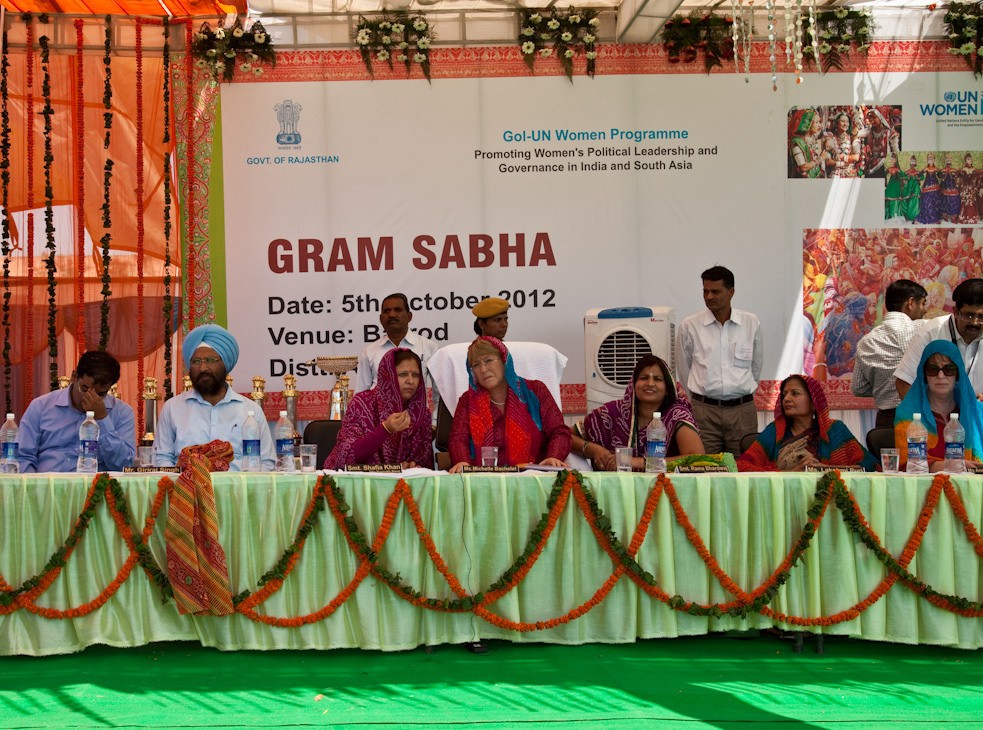
The most basic point of contact between the state and the citizen is the Gram Panchayat, which is the centre of grassroots democracy. The Gram Panchayat Development Plan enables villages to prioritise their own concerns in the spheres of education, health, sanitation, livelihoods, agriculture and climate resilience. The interventions of CSR have started playing significant roles in this planning process. Preparation of development plans, community consultations, strengthening the Gram Sabhas, and introduction of digital planning tools are some of the areas that Panchayats have been assisted with technically to shift away from paperwork and into real action. In the event that communities are involved in the planning process, development becomes more pertinent, transparent and accountable.
Democracy is reliant on individuals beyond institutions. Grassroots democracy is better off when citizens are knowledgeable of their rights and are sure of their voices, and know how to act collectively. A lot of the current CSR activities are directed at the development of this democratic social capital. Enlightenment, leadership training and civic education work to ensure that the citizens of the rural areas, particularly women and marginalised groups, actively participate in the governance activities. The other connection made between CSR and rural economic development is direct. The implementation of CSR projects makes the citizens powerful because of their projects on agriculture, education, nutrition, livelihoods, and sanitation. When the local institutions are operating well, then the benefits get to the households more effectively.
States like Kerala, where decentralised planning has resulted in local bodies having control over a large portion of the development funds, provide an indication of what can be achieved when government and the private organisations combine in the CSR endeavours. These models have led to CSR programmes which emphasise bottom-up planning, as against top-down project delivery.
CSR activities have been progressively in tandem with Panchayats to enhance Self-Help Groups, encourage women-led businesses and agriculture and other related livelihoods, and enhance access to markets and training. The National Rural Livelihoods Mission is a clear demonstration of how the institutions of the grassroots and livelihood promotion support one another. Under NRLM and related programmes, India has about 7.5 million women Self Help Groups across 27 states and 6 Union Territories, each typically consisting of 10 to 15 women; this network is increasingly used for livelihoods as well as civic participation and social accountability. By combining efforts of Panchayats, SHGs, and CSR programmes, there is not only better income but also participation, accountability, and agency of women.
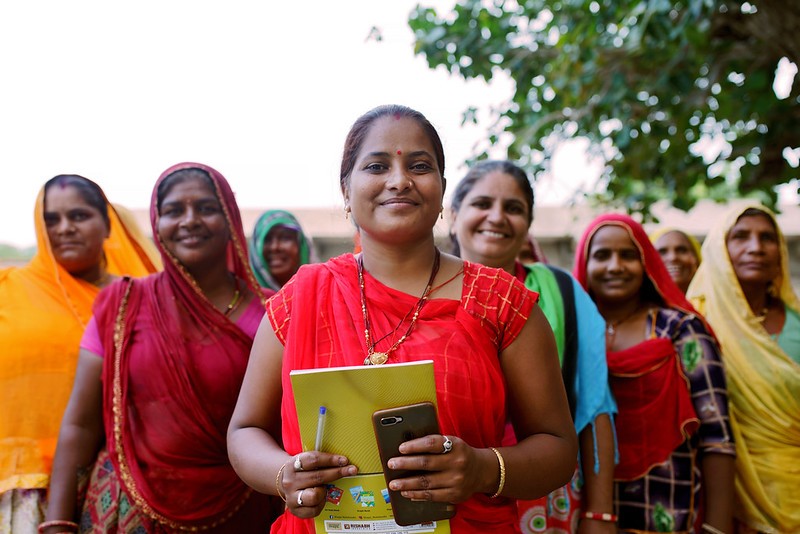
States as Bihar, Maharashtra, and Odisha have shown that the convergence of Panchayats with livelihood missions and employment schemes has resulted in increased household income, more women participating in local politics, and a better system of service provision. The CSR initiatives are close to the Gandhian concept of Gram Swaraj, where villages are self-governing and can take care of their own matters. When founded on this philosophy, CSR partnerships enhance democracy and not circumvent it. As of 2025, about 1.48 crore SHG women have become “Lakhpati Didis”, reporting sustainable annual household incomes of at least ₹1,00,000 across multiple seasons, which strengthens their bargaining power in households and Gram Sabhas.
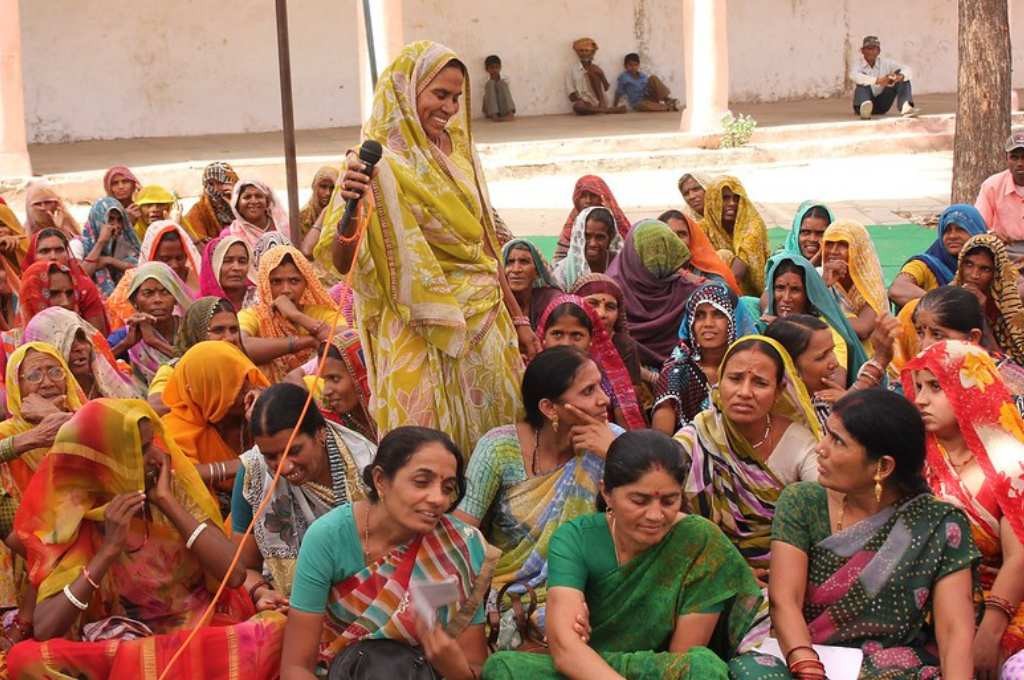
Cases such as the one with the Hiware Bazar and Ralegan Siddhi in Maharashtra reveal the power of local rule. Once drought-prone and highly impoverished, Hiware Bazar in Ahmednagar district used Gram Sabha-centric planning and integrated watershed development to revive agriculture, restore water security, and reduce distress migration. Ralegan Siddhi transformed from a severely degraded village into a green, water secure and economically stable settlement through community-driven water shed works, check dams, afforestation, and strict social norms anchored in the Gram Sabha. Cooperative organisation and collective planning helped every farmer access irrigation, significantly raised agricultural productivity, and improved incomes, while also strengthening local institutions and social cohesion.
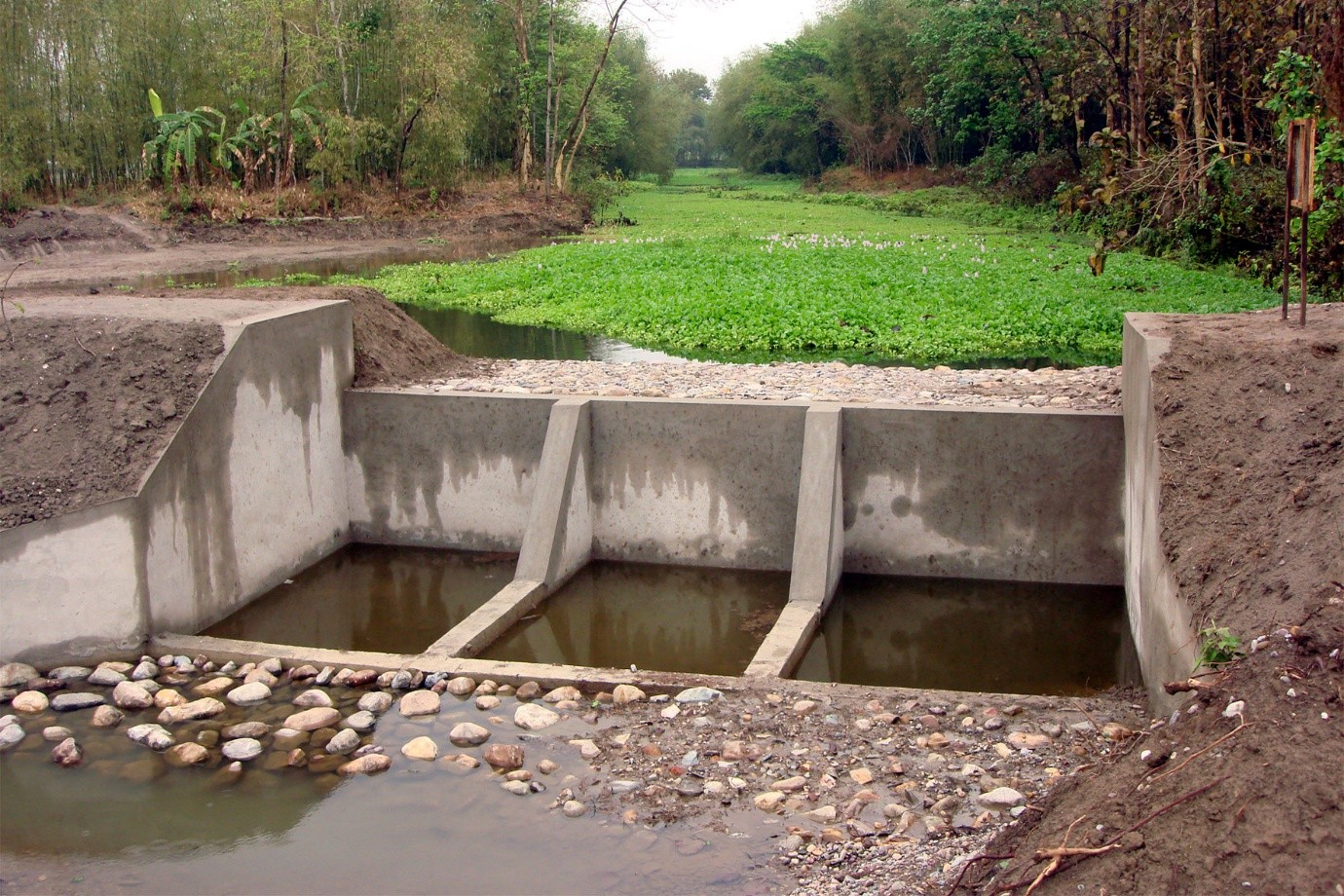
CSR initiatives are currently being used to support various community development initiatives and increase the livelihood opportunities for vulnerable communities as well. Sectors like education, health, agriculture, livelihood watershed development, climate-resilient agriculture, and community-managed natural resources, with institutions as the target, and not individual projects, are flourishing.
Experiences at the international level also uphold the importance of participatory governance. The models, like the participatory budgeting in Brazil and the local councils in Bangladesh, show how community involvement enhances accountability and service delivery.
CSR strategies in India are becoming more and more influenced by these lessons. In view of the broader effects that CSR has by enhancing systems of governance, facilitating inclusion, and empowering accountability, CSR can strengthen democracy at the grassroots. The rural transformation of India is still based on grassroots democracy. As CSR leads to compatibility with democratic institutions, the results of development are more democratic, resilient, and sustainable. CSR goes beyond the service delivery to democratic strengthening by investing in Panchayats, community participation, leadership of women and institutional capacity.
The future of India is in its villages, as envisaged by Gandhi. The merging of grassroots democracy and responsible CSR will define the extent to which that future will be equitable and sustainable.