
Childhood Obesity in India: Why CSR Must Invest in Preventive Health for the Next Generation
Over the years, the dominant discourse on public health in India has been on issues of undernutrition and stunting among children. While these issues remain critical, a new and unnoticed threat is silently manifesting itself across the country: childhood obesity. The changing lifestyle and food habits, combined with reduced levels of physical activity, are leading to a situation wherein children are being pushed into obesity at a very young age.
What is alarming about this situation is that childhood obesity is not a short-term health threat but a gateway to a range of serious and life-threatening diseases such as diabetes, cardiovascular diseases, hypertension, and other NCDs. This could potentially become a huge challenge for the healthcare infrastructure of the country and could impact the productivity of a young and energetic workforce.
CSR offers an opportunity to invest in preventive healthcare and secure the well-being of a young and impressionable generation.
A Growing Public Health Concern
The statistics also reveal the gravity of the situation in the country. Accordingto the World Obesity Federation, India has one of the highest numbers of children living with obesity in the world, with approximately 41 million children being affected by the condition. Moreover, studies also reveal that the number of obese children in India is rising every year.
A meta-analysis of studies conducted in India revealed that approximately 8.4% of children in the country suffer from obesity, whereas 12.4% of the children in the country suffer from overweight conditions. Moreover, studies conducted among school-going children also reveal that the prevalence of obesity among children in the country is approximately 6.97%.
According to the NFHS-5 report, the prevalence of overweight among children under the age of five years in the country has risen to 3.4%, as opposed to 2.1% in the previous report . The statistics reveal that the country is facing a “double burden of malnutrition.”
What Is Driving Childhood Obesity?
However, it has been found that the increase in childhood obesity is not because of a single reason. Instead, it is a combination of various social and environmental changes.
Firstly, it has been found that there has been a significant change in the food habits of children. There has been an increase in the consumption of ultra-processed food products and sugary drinks.
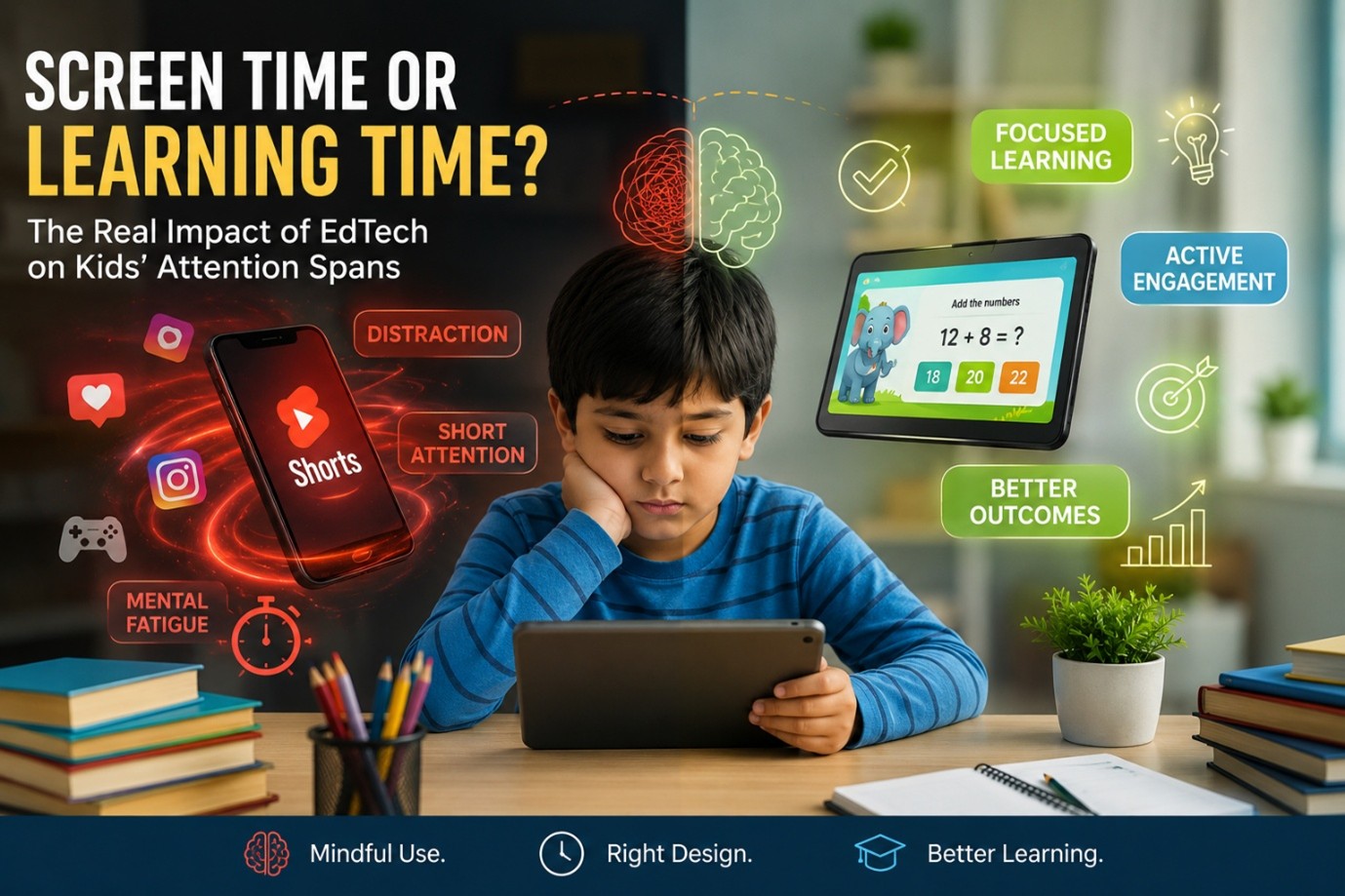
Along with this, it has also been found that there has been a sharp decrease in the physical activity levels of children. There has been an increase in screen time and online classes, which has reduced physical activity levels.
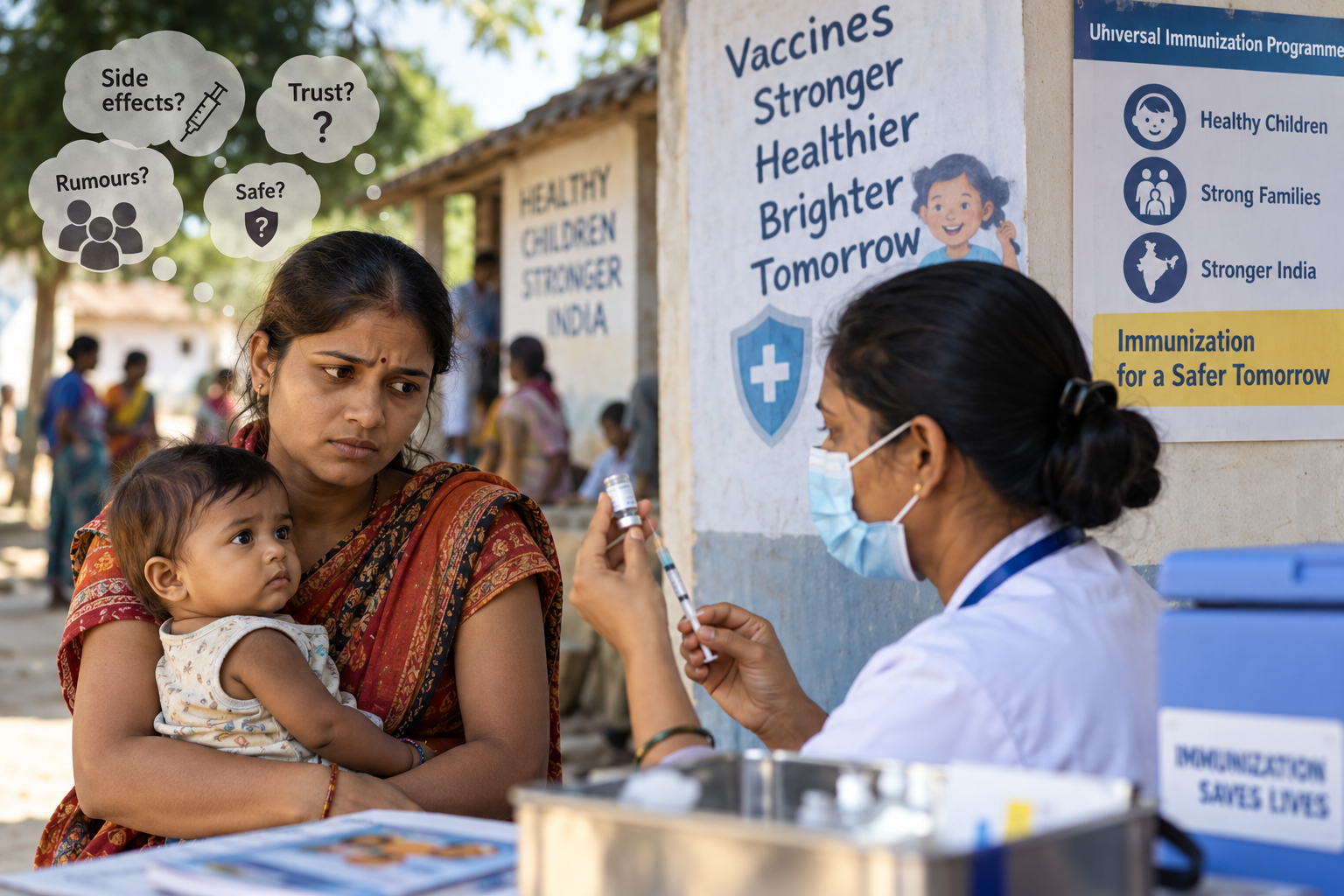
However, it has also been found that there is a lack of awareness among parents and children. Childhood obesity is still considered a sign of good health and not a potential risk factor for diseases.
Why CSR Must Step In
The issue of childhood obesity is an area where the interests of nutrition, education, lifestyles, and public health awareness converge, where CSR efforts are already in place.
The Companies Act of 2013 encourages Indian companies to use the opportunity of spending 2% of their average net profits on CSR initiatives that include healthcare, nutrition, and community welfare. This is an excellent opportunity for companies to engage in preventive healthcare for children and adolescents.
In addition, CSR can support the government's initiatives in the form of the POSHAN Abhiyaan, the Fit India Movement, or school health programs.
Most importantly, the CSR initiatives in preventive healthcare can bring long-term social returns in the form of lower healthcare expenses in the future.
How CSR Can Invest in Preventive Health
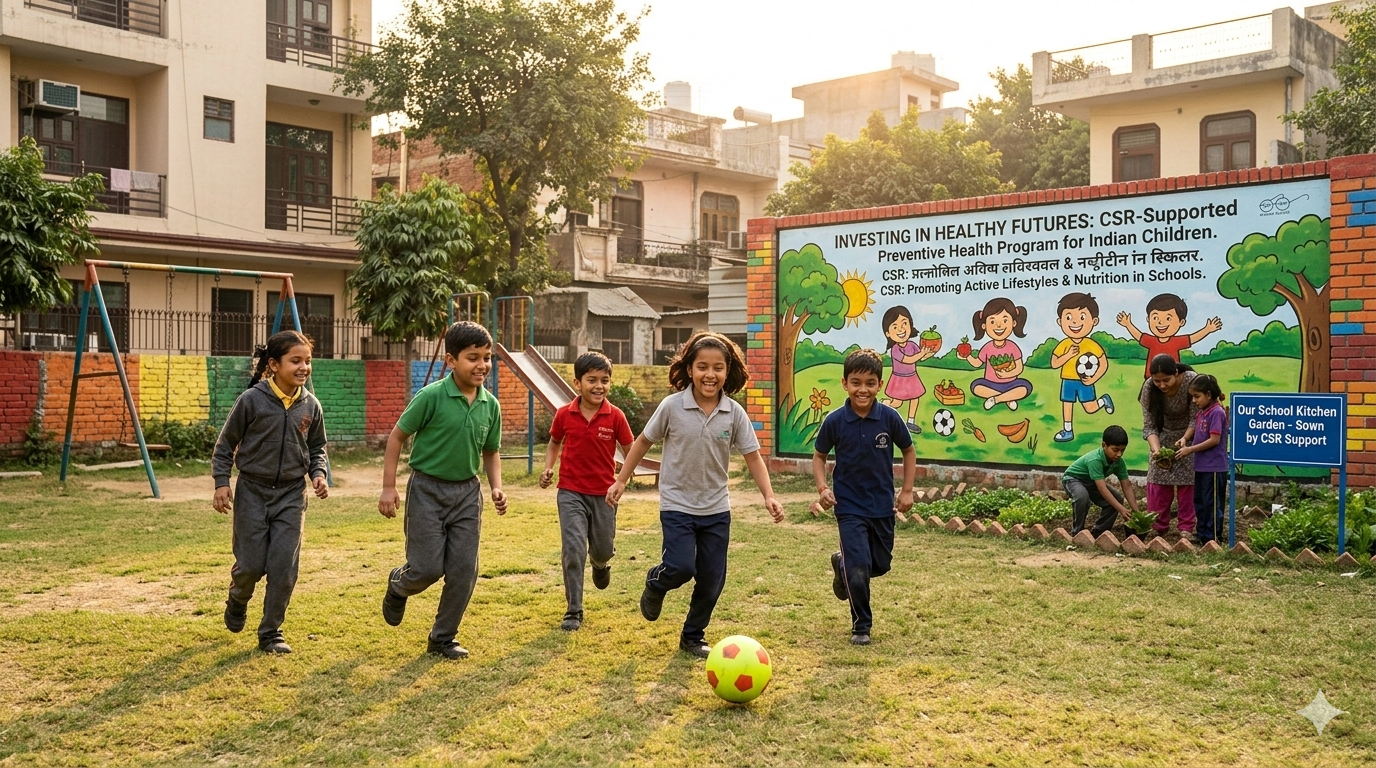
- Strengthening School-Based Health Programs: Schools are an appropriate place to promote healthy behaviours among children. CSR programs can be helpful in nutrition education programs, healthy meals, and regular health screenings conducted in schools. These practices can help children understand the significance of a well-balanced diet, exercise, and ahealthy lifestyle from a young age.
- Building Sports and Physical Activity Infrastructure: Availability of safe space for physical activity is also limited in many schools and communities. Investments in CSR can be helpful in the development of playgrounds, sports infrastructures, and recreation centres in the community, motivating children to participate in physical activity . Programs that encourage youth sports leagues, fitness clubs, and active lifestyles can also motivate children to be physically active.
- Community Awareness and Behaviour Change: Parents play a critical role in shaping children’s food habits and daily routines. CSR initiatives can support community awareness campaigns that promote healthy eating, reduce junk food consumption, and encourage active lifestyles. Workshops, digital campaigns, and community engagement activities can help families adopt healthier behaviours that benefit both children and adults.
- Leveraging Technology for Health Monitoring: Technology can also be an effective tool in the prevention of health issues. CSR initiatives can support digital platforms, mobile applications, and monitoring systems in schools to track children’s nutrition and physical activities. This will help to identify potential health risks and encourage children to adopt healthy lifestyles.
- Supporting Research and Evidence Generation: Yet data at the district level regarding childhood obesity in India has been limited. CSR has tremendous scope to assist in baseline studies, health surveys, and impact assessments. By collecting better data, policymakers and development agencies can develop targeted interventions to meet the needs of different communities.
- Investing in the Health of India’s Future: India’s demographic advantage is predicated on the health and wellness of its youth population. The growing issue of childhood obesity has the potential to erode this advantage, given its correlation with the onset of chronic diseases and health complications in the future. By providing preventive health measures, nutrition, and physical activity, along with raising awareness among communities, CSR activities can make a significant impact in reversing the tide of childhood obesity and, in the process, a healthier environment for children to grow, learn, and thrive in.
In the long run, investing in preventive health today is an investment in India’s future productivity, resilience, and human capital. And through thoughtful and strategic CSR initiatives, the corporate sector can become a vital partner in ensuring that the next generation grows up healthier and stronger.